The Difference Between Building an MVP and Building a Scalable Product
Created on · Last updated
.png)
The Difference Between Building an MVP and Building a Scalable Product
Building a digital product is easy. Building the right product at the right stage can be hard.
Most teams either spend months over-engineering something nobody has asked for or stay stuck in MVP mode so long that scaling becomes a nightmare. Both paths cost time, money, and momentum.
Understanding the difference between an MVP and a scalable product, and knowing exactly when to transition from one to the other, is what separates products that fail from products that grow into real businesses.
In this article, we break down the differences, the risks, and the key signals for scaling. We also show how teams can make smarter product decisions.
What an MVP Actually Is
An MVP, or Minimum Viable Product, is the fastest way to answer one question: Is this worth building at all? It is not your first version. It is not a smaller version of your full product. It is a focused test. That early validation matters more than anything else because studies show that some product features are rarely or never used
What a strong MVP looks like:
- One clear use case
- Built quickly
- Simple tech stack
- Real user feedback, not guesses
The goal here is speed and clarity.
What a Scalable Product Actually Means
A scalable product comes after validation. It’s the real deal.
Now the question changes to “Can this handle growth without breaking?”
At this stage, you are no longer experimenting. You are building something people depend on.
That means thinking about:
- System reliability
- Performance under load
- Security
- Integrations
- Long-term maintainability
Companies that invest in scalable systems can see lower long-term maintenance costs when done right.
MVP vs Scalable Product: The Differences That Actually Matter
1. Goals: Learning vs Growth
At the MVP stage, your entire focus is learning. You’re trying to answer uncomfortable questions as quickly as possible:
- Are we solving a real problem?
- Do users actually care enough to come back?
- Is there any willingness to pay?
Everything you build should serve that goal. If a feature doesn’t help you validate the core idea, it probably doesn’t belong in your MVP.
This is where many teams lose time. They try to “round out” the product too early. They add dashboards, settings, extra flows, things that feel important but don’t actually move validation forward.
A scalable product, on the other hand, operates on a completely different objective. Now you are no longer trying to prove the idea. You are trying to grow something that already works.
That means focusing on:
- Retention. Do users keep coming back?
- Expansion. Can usage grow across teams or use cases?
- Revenue. Can this reliably generate income?
At this stage, the risk is no longer “nobody wants this.” The risk becomes “this works, but we can’t grow it efficiently.”

In summary, if you are still figuring out what users want, you are not ready to scale.
2. Speed vs Stability
Speed is everything when you’re building an MVP. The faster you can get something into users’ hands, the faster you reduce uncertainty. Waiting months to launch a “perfect” product isn’t the goal here. That’s why MVPs often involve trade-offs:
- Basic UI instead of polished design
- Manual processes behind the scenes
- Simpler backend logic
It’s a deliberate choice to prioritise learning over polish.
But that same approach becomes dangerous once you start scaling. When users begin to rely on your product, instability becomes visible very quickly:
- Slow load times start to frustrate users
- Bugs interrupt real workflows
Downtime starts to cost money
At this point, speed alone is no longer an advantage. It has to be balanced with reliability. Now, you're looking at building a real product. You move from “just ship it” to:
- Testing before release
- Monitoring system performance
- Building safeguards against failure
Because once people depend on your product, every failure has a cost.
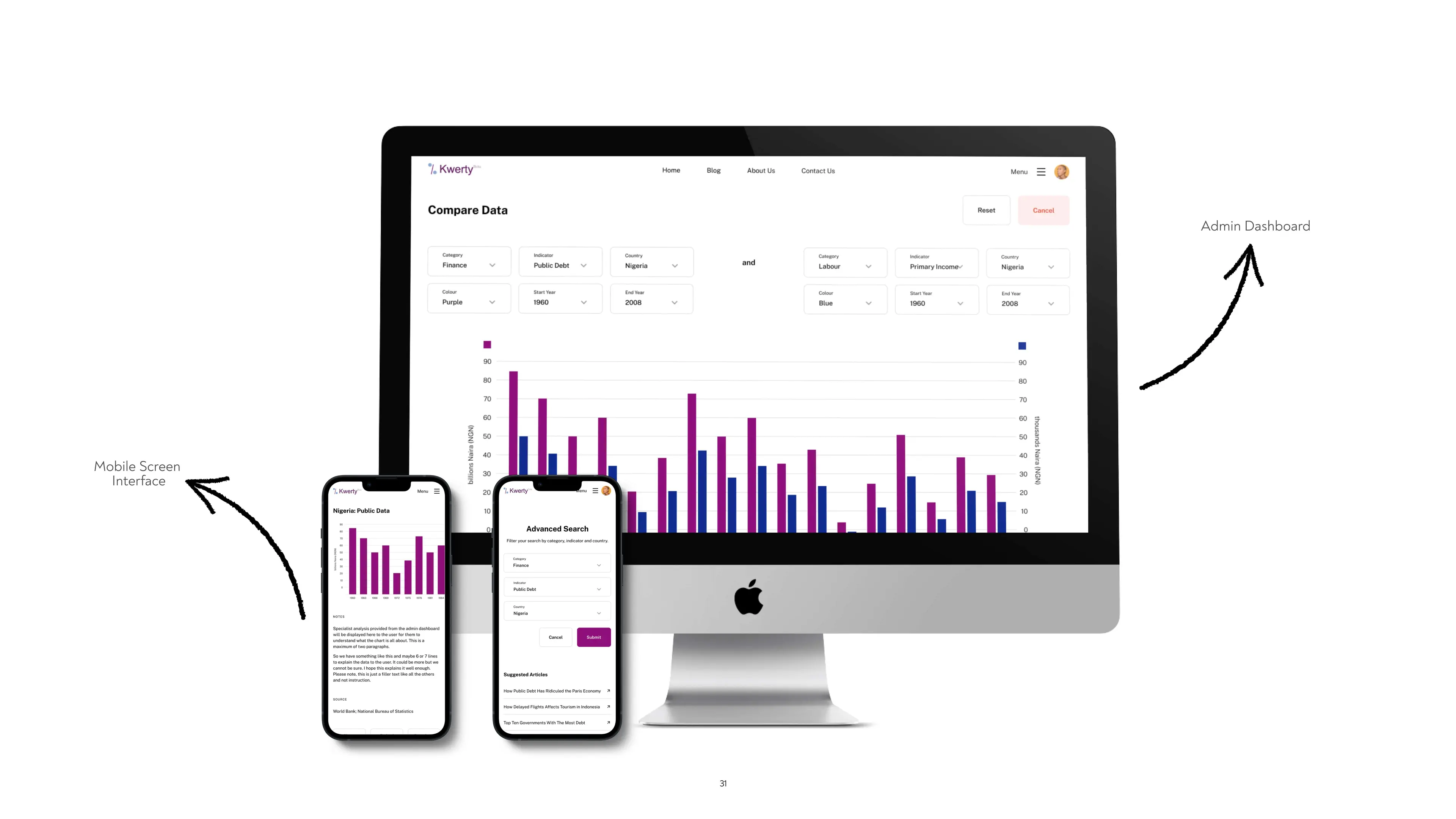
Basically, speed helps you learn, and stability keeps users.
3. Architecture: Simple vs Structured
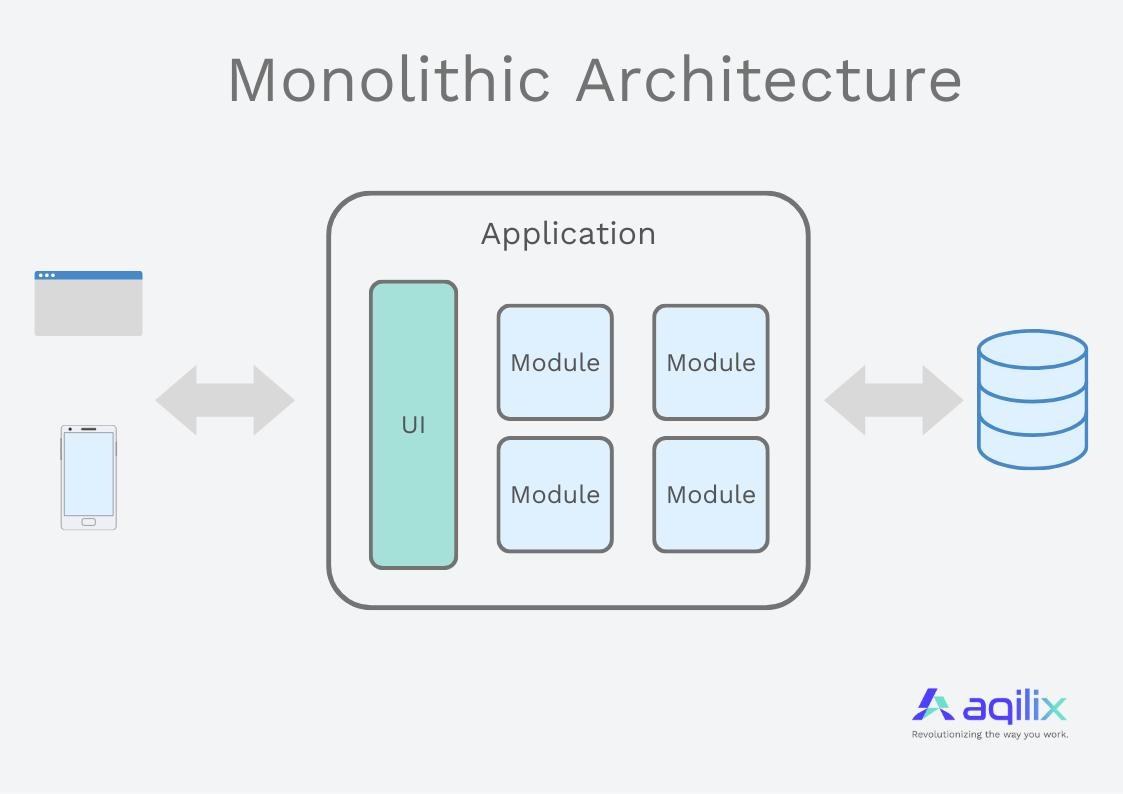
Most MVPs should be simple by design. A monolith is often the right choice early on because it allows you to move quickly without managing unnecessary complexity. You don’t need distributed systems or microservices when you’re still validating your first use case.
Where teams go wrong is at the extremes. Some overengineer from day one. They build complex architectures for scale that may never come. That slows development and delays feedback. Others go too far in the opposite direction. They ignore structure completely, which works at first but creates problems later.
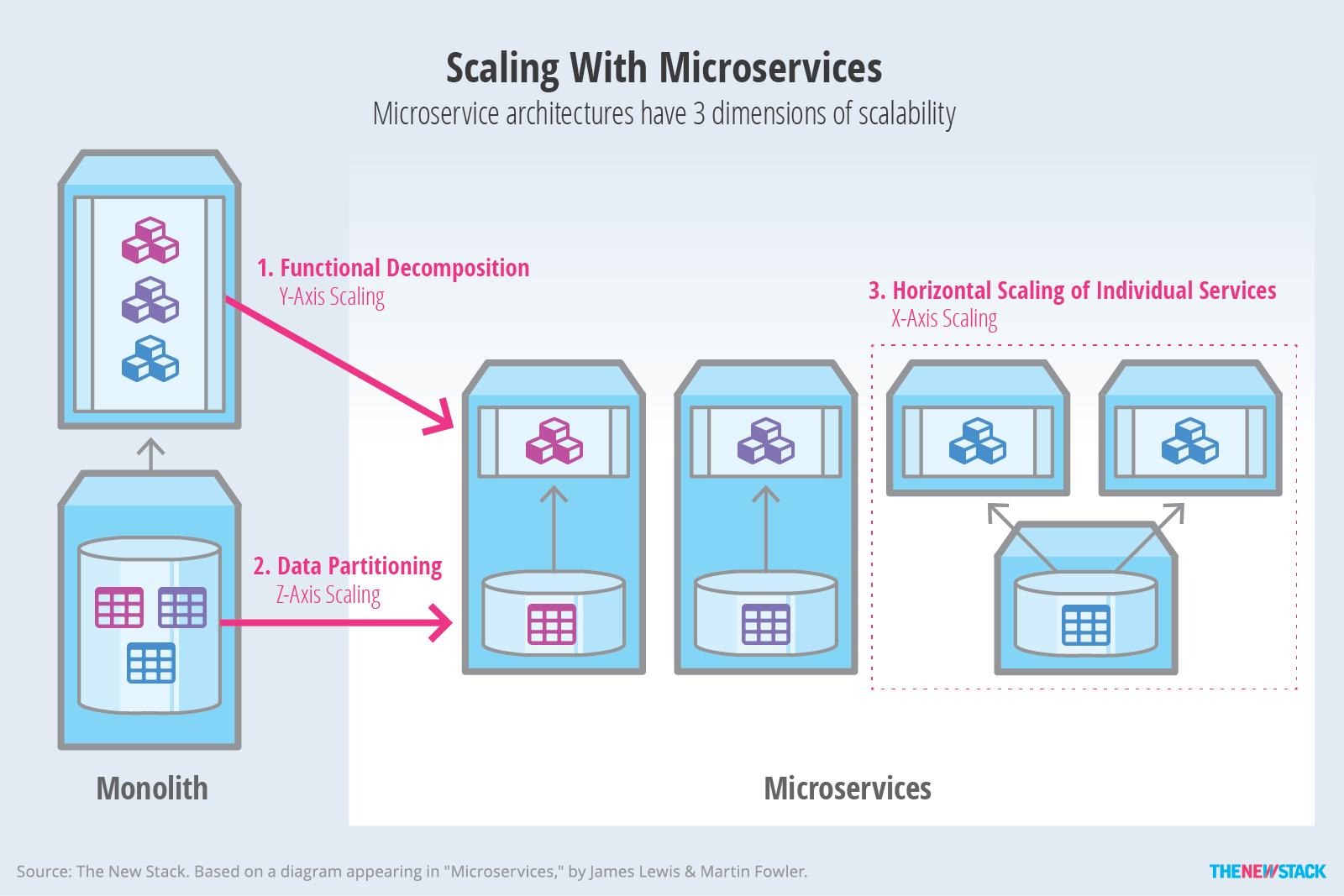
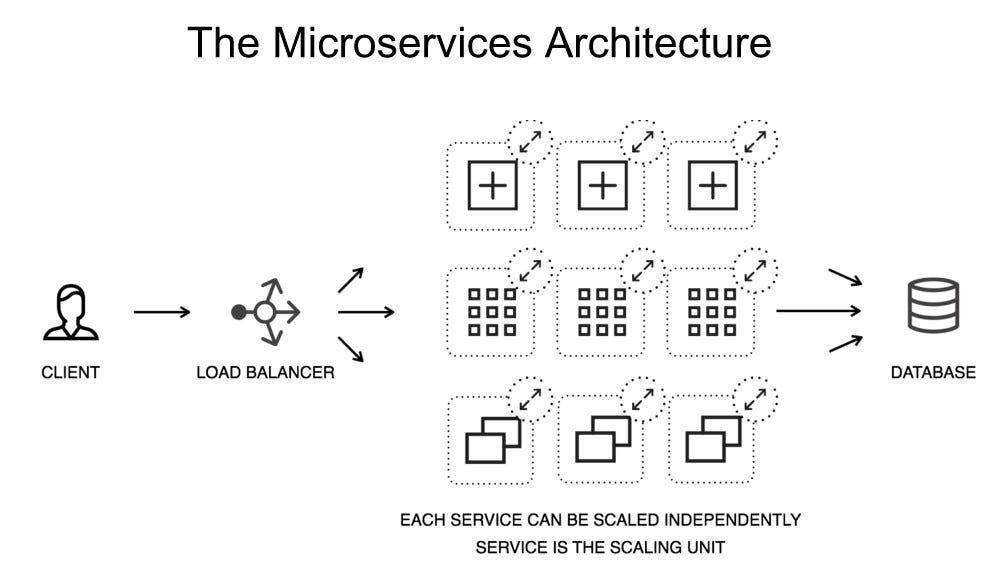
As your product grows, your architecture needs to evolve with it. You start thinking about:
- Separating concerns within your system
- Making parts of your application independently scalable
- Improving how data is stored and accessed
This doesn’t happen in one big rewrite. It happens gradually, based on real pressure from growth.
The goal isn’t to “build for scale” from day one. Rather, it is to avoid decisions that make scaling unnecessarily painful later.
4. Features: Focus vs Depth
An MVP should feel almost incomplete. That’s usually a good sign. You are deliberately focusing on one core workflow and ignoring everything else. This allows you to clearly see whether that workflow provides value.
When teams add too many features at this stage, two things happen:
- Development slows down significantly
Feedback becomes harder to interpret
If users drop off, you don’t know why, it’s usually because there were too many variables to begin with, and not enough clarity.
A scalable product is different. At this point, you have real usage data. You can see:
- What users do repeatedly
- Where they struggle
- What they ask for consistently
Feature expansion should then come from those signals. That’s how products grow in a way that feels natural instead of bloated. Every new feature is tied to observed behaviour, not assumptions.
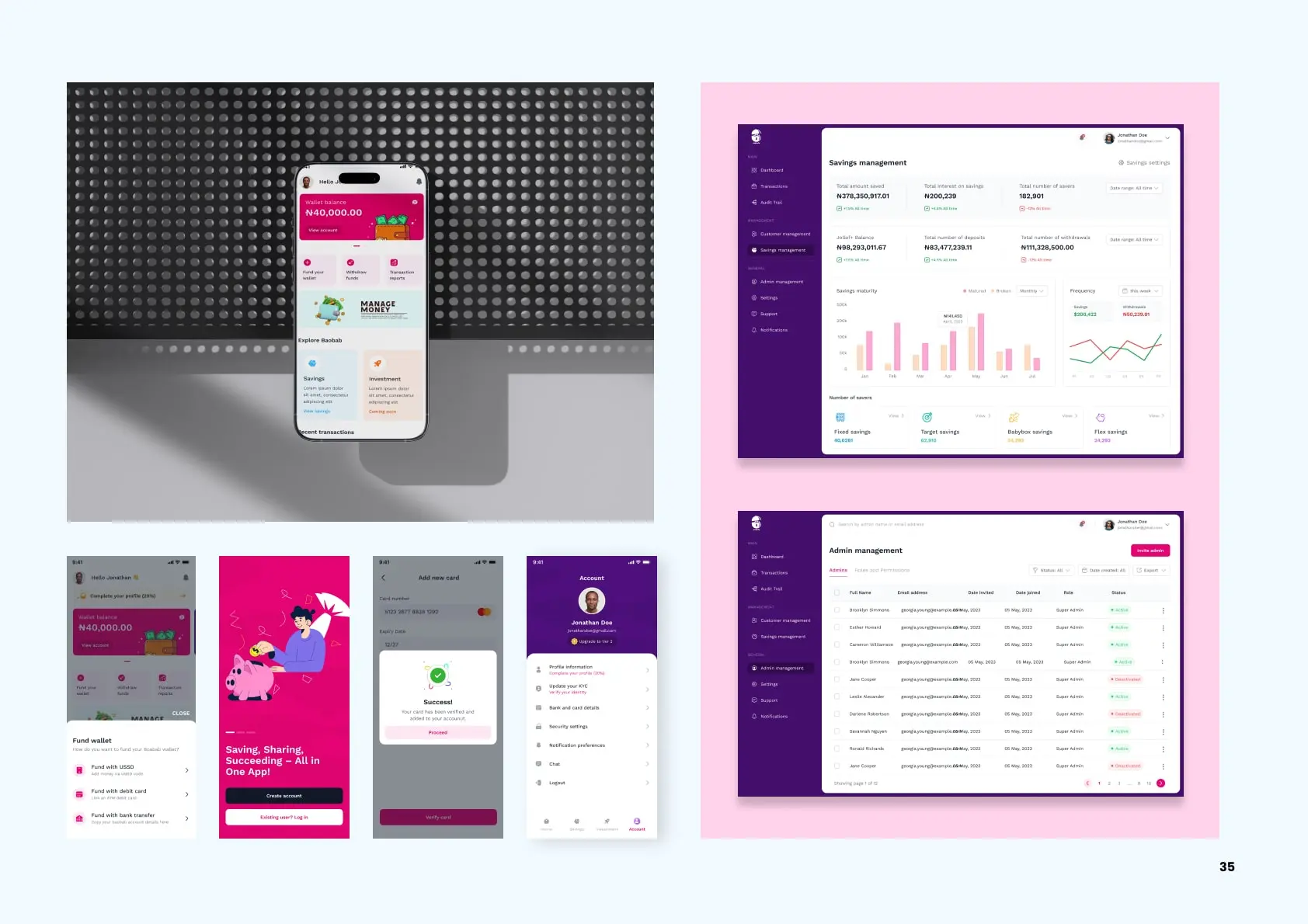
Simply put, an MVP is one thing done well, while a scalable product is multiple workflows and deeper functionality. More features too early usually slow you down.
5. Cost and Risk: Exploration vs Investment
At the MVP stage, you are operating in uncertainty. You don’t know if the product will work. So your goal is to spend as little as possible to find out.
That’s why MVPs are lean. They often have:
- Smaller teams
- Shorter timelines
Limited infrastructure
You are buying information, not building a long-term system. Once you move into a scalable product, the conversation changes.
Now you have signals:
- Users are returning
- There is some form of traction
- The product is starting to matter
This is where investment makes sense.
You spend more on:
- Better infrastructure
- Stronger engineering practices
- Systems that support growth
Because now, you are no longer guessing. You are reinforcing something that has already shown potential.
MVP vs Scalable Product: Side-by-Side Comparison
| Aspect | MVP | Scalable Product |
| Primary Goal | Validate demand, gather feedback | Support revenue and massive growth |
| Target Users | Early adopters (100-1K) | Broad market (10K+) |
| Architecture | Monolith, simple stack | Microservices, cloud-native |
| Main Risk | No market need | Unmanageable tech debt |
| Enyata Edge | Launch in 4 weeks | Zero-downtime scaling |
Where Most Teams Get It Wrong
They treat MVPs like final products, so they overbuild and delay real feedback.
They scale too early, so they invest in infrastructure they do not need.
Or they build MVPs that cannot grow, so when traction comes, everything struggles.
Where Enyata Comes In
At Enyata, this is exactly where we work best.
We help teams:
- Build products that validate real demand
- Avoid unnecessary complexity early
- Transition into scalable systems without costly rewrites
- Engineer products that can handle real growth
Send us a mail, let's get your product live.
OUR EVENTS
Join Our Events & Programmes
Our events bring industry leaders together to share insightful knowledge. Replay the sessions with our previous guests and register to join upcoming events.


Copyright © Enyata 2026. All rights reserved. Privacy Policy


