How to Make Your Website Accessible in 2025: A Modern Inclusive Design Guide
Created on · Last updated
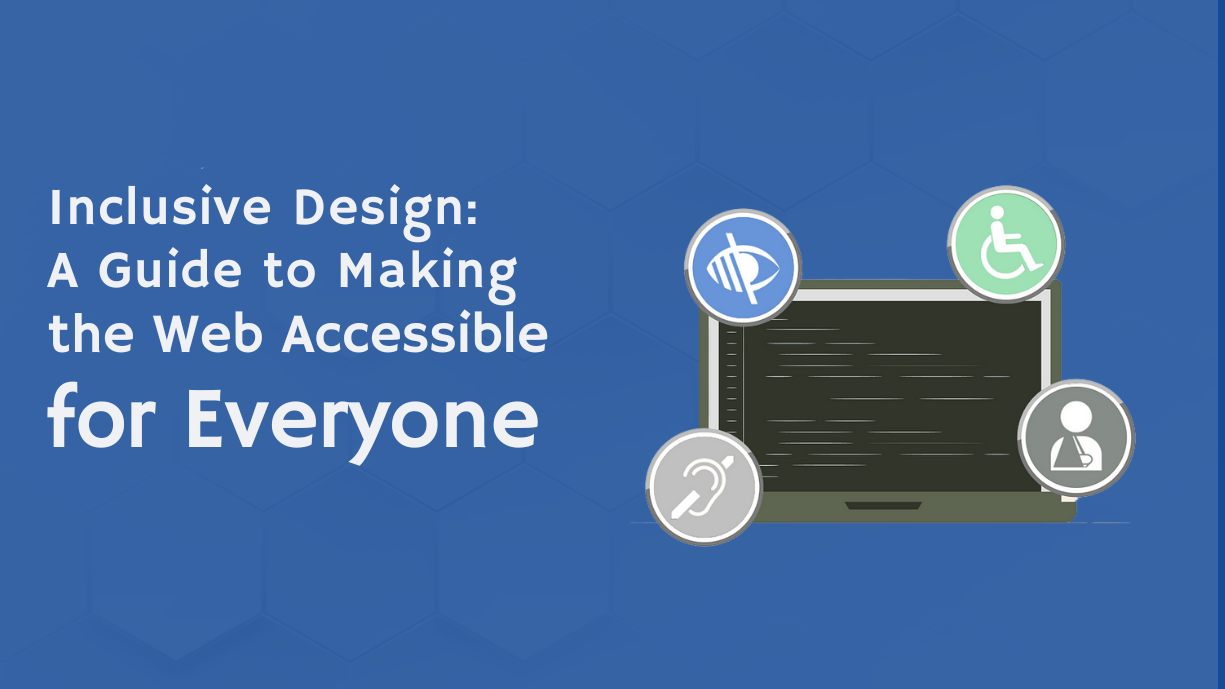
Web accessibility is the inclusive practice of ensuring no barriers prevent interaction with or access to websites by individuals with disabilities maybe it is situational, physical, or socio-economic. We are in an era where making your website accessible is essential. It's about creating digital experiences that everyone can use, no matter their circumstances.
In 2025, it is both a legal and ethical priority. The European Accessibility Act (EAA) will enforce compliance on June 28, 2025. This applies to most digital services in Europe and aligns with WCAG 2.1 Level AA standards. Recent ADA updates in the US highlight the importance of digital accessibility. In this blog, we outline practical steps to make your website more inclusive, enhancing both your SEO and user experience.

Why Should Accessibility Features for Websites Be a Priority?
In the last few years, there’s been a huge shift toward inclusivity in tech, and websites are no exception. Accessibility isn't just a “nice-to-have” anymore, it is now essential. Aside from doing the right thing, it also improves SEO, boosts user experience, and helps you reach a wider audience which in return helps your business.
According to the latest WebAIM Million report from February 2025 there has been a slight improvement in web accessibility, with a 10.3% decrease in average errors per page compared to 2024. However, 94.8% of home pages still have detected WCAG 2 failures, indicating that much work remains to be done. Let’s walk through the key accessibility features and some current trends to keep your website accessible in 2025.
Key Accessibility Features for Websites
1. Semantic HTML is still king
Semantic HTML forms the foundation of accessibility in web design. Assistive technologies rely on semantic tags to convey information to users. Tags like <header>, <article>, <button>, <section>, and <footer> for clear structure enable better navigation and comprehension. Proper use of semantic HTML enhances accessibility insights for web users and ensures consistency across devices.
2. Keyboard Navigation Is Non-Negotiable
Keyboard accessibility ensures that users can navigate websites without a mouse. Your site should be fully navigable with just a keyboard. That means things like tab order, focus states, and skip links need to be in place. ARIA roles are getting smarter too, making navigation smoother for users with assistive tech.
3. Alternative Text for Images
Alternative text (alt text) is vital for web content accessibility. It allows screen readers to describe images to visually impaired users and supports users in areas with limited bandwidth. The adoption of AI-driven alt text tools is increasing, streamlining the process of generating meaningful image descriptions.
4. Transcripts and Captions for Audio and Video Content
Providing transcripts and captions ensures that multimedia content is accessible to people with hearing impairments. Captions also improve SEO and enhance user engagement. Developers are increasingly integrating automated tools to simplify this process and align with emerging accessibility standards.
5. Form Input Labels and Instructions
Form accessibility hinges on clear, descriptive labels that assistive technologies can interpret. Using the for attribute to connect labels and inputs ensures seamless navigation for users relying on screen readers. Enhanced validation and error messaging also reduce frustration.
What’s New in 2025: Web Accessibility Trends to Know
1. Mobile Accessibility Focus
With more users browsing on smartphones, mobile accessibility has become a priority. Features like responsive layouts, touch target sizes, and accessible navigation are essential. Expect more advancements in screen magnification and voice navigation technologies . Home pages are becoming more complex, with a 7.1% increase in elements from 2024 to 2025. This complexity can lead to more accessibility errors if not managed properly.
2. AR and VR Accessibility
Augmented and virtual reality are gaining traction, and ensuring these platforms are accessible is a growing focus. The top accessibility errors remain low contrast text (79.1%), missing alt text (55.5%), missing form labels (48.2%), empty links (45.4%), empty buttons (29.6%), and missing language attributes (15.8%). These issues account for 96% of all detected errors. Guidelines for immersive environments will expand, addressing navigation, contrast adjustments, and sensory accommodations.
3. Voice Interface Optimization
Voice navigation tools are getting more accurate and more common. Making sure your site works with these interfaces like allowing users to “click” buttons with voice commands is a small step with a big impact. Developers are enhancing compatibility with assistive technologies and refining voice recognition capabilities to ensure inclusivity. The use of ARIA attributes has increased by 18.5% from 2024. However, pages using ARIA tend to have more errors (57 vs. 27 without ARIA), highlighting the need for proper implementation
4. AI-Powered Accessibility Tools
We’ve now got AI-powered accessibility checkers that flag issues in real-time, suggest improvements, and even auto-generate fixes like alt text and contrast adjustments. They’re not perfect, but they’re getting better and they save tons of time.
Web Accessibility and User Experience
A seamless user experience is built on accessibility. Accessible websites are easier to navigate, more inclusive, and attract more visitors. Neglecting accessibility features can frustrate users and drive them away. By staying informed about trends and upcoming changes, developers can create websites that serve everyone.
Conclusion
If you're still treating accessibility as an afterthought in 2025, you're already behind. Making your website accessible isn’t just about compliance anymore it’s about creating real value for your users and building trust with your audience. The good news? You don’t have to do it alone.
At Enyata, we help forward-thinking businesses design and build inclusive, accessible, and high-performing digital products from the ground up. Whether you’re refreshing your site or launching something new, our team is here to make sure no user is left behind.
Ready to build a more accessible web experience?
Let’s talk.
OUR EVENTS
Join Our Events & Programmes
Our events bring industry leaders together to share insightful knowledge. Replay the sessions with our previous guests and register to join upcoming events.


Copyright © Enyata 2026. All rights reserved. Privacy Policy


